
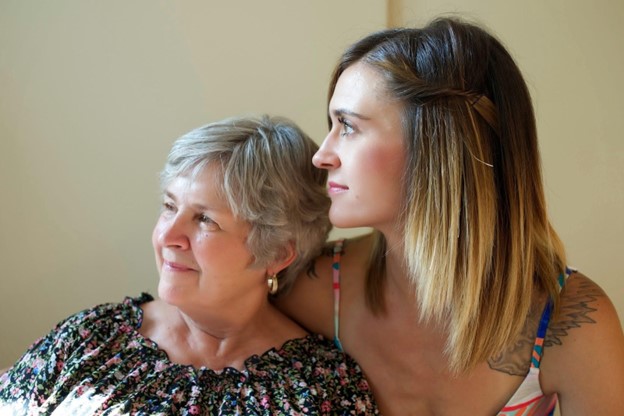
This October, we stop and celebrate an event that many women have faced, are facing, or will face in their future: menopause. While often marked by challenging physical and emotional changes, this phase in life can also be an opportunity for self-discovery and renewed worthiness. Menopause signals the end of one chapter, but it opens a new season filled with wisdom, resilience, and undeniable strength that deserves celebration. The transition through menopause is not just a biological event; it is a profound moment of transformation, an opportunity to reflect on life, and a chance to realign priorities and embrace the possibilities ahead.
Redefining Beauty and Self-Worth: Embracing the Change
One of the first hurdles many women face during menopause is grappling with changes in their bodies. Shifts in weight, skin texture, and hair can sometimes lead to feelings of lost beauty and diminished self-worth. In a society that often equates youth with beauty, the changes brought on by menopause can feel like a personal loss. However, it’s essential to remember that true beauty isn’t just skin deep—it’s about embracing your story, your experiences, and your scars. Every wrinkle, stretch mark, or gray hair is a testament to the life you’ve lived, the experiences you’ve gathered, and the resilience you’ve built.
The Power of Self-Compassion
A powerful way to navigate feelings of diminished beauty and self-worth is by cultivating self-compassion. Research shows that self-compassion can help women manage negative emotions related to body image, especially during life transitions like menopause. Self-compassion involves treating yourself with the same kindness and care you would offer a dear friend. It means acknowledging that these changes are a natural part of life and do not diminish your worth. Instead of focusing on what’s perceived as lost, embrace the new form of beauty you possess: the beauty of wisdom, experience, and self-assurance.
Challenging Cultural Norms
Women often feel marginalized by cultural expectations that tie beauty and worth to youth. According to research from the Journal of Women & Aging, societal pressure to maintain a youthful appearance marginalizes older women, leading to feelings of inadequacy during menopause. Advertisements and media predominantly focus on youthful ideals, often excluding the lived experiences of middle-aged and older women. This marginalization is especially prevalent in beauty industries, where “anti-aging” products dominate and portray aging as something to be combated.
Moreover, the cultural invisibility of older women, referred to as “gendered ageism,” leads many women to feel that they are no longer valued or noticed once they reach a certain age. This societal oversight can lead to feelings of decreased self-worth during and after menopause. By celebrating the wisdom that comes with age and experience, women can push back against these harmful societal norms and reclaim their worth, reminding themselves that beauty and value extend far beyond physical appearance.
Marginalization in the Workplace: Navigating Menopause on the Job
One significant area where women are marginalized during menopause is in the workplace. Although menopause is a natural life transition, it remains largely ignored or misunderstood in many professional environments. This lack of understanding can create challenging conditions for women experiencing menopause, exacerbating the physical and emotional symptoms they already face.
Workplace Silence and Stigma
Menopause is often treated as a taboo subject in the workplace, leading to a lack of accommodations and support for women going through it. A report by The Chartered Institute of Personnel and Development (CIPD) found that one in four women consider leaving their jobs due to menopausal symptoms, such as hot flashes, fatigue, and concentration difficulties, which can significantly affect their job performance. However, few organizations provide education or policies to address these issues, leading many women to suffer in silence.
The stigma around menopause can also lead to a lack of empathy and understanding from colleagues and employers. Many women fear being perceived as weak or incapable if they disclose their symptoms, especially in male-dominated industries. This fear of discrimination or being sidelined for promotions can lead women to push through their symptoms without asking for the support they need. The result is increased burnout and a potential exodus of valuable, experienced women from the workforce.
Lack of Accommodations
The absence of workplace accommodations for menopausal women can further marginalize them. Simple adjustments—such as flexible working hours, better ventilation, or access to quiet spaces—can make a significant difference. However, many workplaces fail to implement these changes, leaving women to manage their symptoms in environments that are not menopause-friendly. This lack of accommodation often forces women to choose between their health and their careers.
Efforts are underway in some parts of the world to address this issue. For example, the UK has seen increasing calls for menopause policies in the workplace, and several companies have begun to implement menopause-friendly practices. These include educating managers about menopause, offering flexible work arrangements, and creating a supportive environment where women feel comfortable discussing their experiences. However, much more needs to be done globally to ensure that menopausal women are not marginalized in their professional lives.
Disparities in Healthcare: The Menopause Treatment Gap
Healthcare disparities play a significant role in how women experience and manage menopause. Many women are marginalized by inadequate healthcare support during this life stage, particularly women from minority or low-income backgrounds who may face additional barriers to accessing proper care.
Lack of Education and Support
Many women report feeling unprepared for menopause due to a lack of education and support from their healthcare providers. A study published in The Journal of Women’s Health found that women often feel dismissed by doctors when they bring up menopausal symptoms, with some doctors offering little more than superficial advice or prescribing treatments that don’t adequately address the full range of symptoms. This can leave women feeling unsupported and marginalized by the medical community, unsure of where to turn for help.
For women of color, these disparities are often even more pronounced. Research shows that Black and Latina women tend to enter menopause earlier and experience more intense symptoms compared to white women, yet they are less likely to receive appropriate care or hormone therapy. The intersection of race, gender, and age can lead to compounded marginalization in healthcare settings, where the specific needs of these women are overlooked or misunderstood.
Cost Barriers and Limited Access
Access to menopause-related healthcare can also be limited by financial constraints. Hormone replacement therapy (HRT), which is used to alleviate many menopausal symptoms, is not always affordable or covered by insurance. This leaves lower-income women without access to potentially life-changing treatment options. Additionally, women living in rural or underserved areas may struggle to find specialists who are knowledgeable about menopause, further widening the treatment gap.
Healthcare providers need to offer more comprehensive education and support to women navigating menopause, especially for those who are marginalized by race, income, or geographic location. This includes listening to women’s concerns, providing accurate information about treatment options, and addressing the emotional and physical aspects of menopause with care and understanding.
The Emotional Toll of Marginalization: Mental Health and Menopause
The marginalization women experience during menopause can also take a significant toll on their mental health. Menopause is often accompanied by emotional symptoms such as anxiety, depression, and mood swings, which can be exacerbated by societal pressures, workplace challenges, and inadequate healthcare support. When women feel marginalized or invisible during this transition, it can lead to feelings of isolation and diminished self-worth.
Anxiety and Depression
The emotional impact of menopause is often underestimated or ignored, leading many women to struggle without the mental health support they need. The National Institute of Mental Health (NIMH) reports that hormonal fluctuations during menopause can contribute to anxiety and depression, yet many women are reluctant to seek help due to the stigma surrounding menopause and mental health. This reluctance is particularly strong in cultures where mental health issues are heavily stigmatized, further marginalizing women who may already feel invisible due to their age or menopausal status.
The Importance of Emotional Support
Providing emotional support to women during menopause is crucial in helping them feel valued and seen. This can come in the form of counseling, support groups, or simply creating spaces where women can talk openly about their experiences without fear of judgment. Emotional support helps women navigate the challenges of menopause and reminds them that they are not alone in their journey.
The Bright Side of Menopause: Positive Brain and Body Changes Backed by Science
While menopause is often viewed as a challenging transition, growing research highlights a range of positive shifts that occur during this natural phase of life too. While hot flashes and mood swings may make the headlines, science reveals that menopause can also bring about meaningful benefits for the brain and body, paving the way for a healthier, more balanced lifestyle. For instance, studies show that as estrogen levels stabilize, women often experience a greater sense of emotional resilience and clarity. Freed from the hormonal fluctuations of the menstrual cycle, many report feeling more emotionally centered, less prone to stress, and better able to focus on the things that truly matter.
The cognitive effects of menopause are equally fascinating. Research suggests that during this time, certain brain networks reorganize, potentially enhancing a woman’s ability to make decisions with clarity and confidence. This rewiring is thought to be part of why many women in their later years pursue new hobbies, career paths, or passions with fresh insight and enthusiasm. Brain imaging studies also indicate that menopause is associated with improved verbal memory and episodic memory, which could be a protective factor against cognitive decline in older age. Far from the myth of “losing mental sharpness,” many women experience a resurgence of intellectual curiosity and creativity.
Physically, menopause can also encourage a healthier lifestyle. With the focus on maintaining bone density, heart health, and muscle strength, many women become more proactive about exercise, nutrition, and self-care. This commitment often leads to long-term health benefits, such as a lower risk of cardiovascular disease, improved mobility, and increased energy levels. Embracing the lifestyle changes that come with menopause allows women to enjoy a vibrant, active life well into their later years, making this phase of life a launchpad for new adventures and personal growth.
Resources for Support: Empowering Women Through Menopause
Navigating menopause can be an emotional and physical challenge, but it is essential to remember that no woman must go through it alone. Whether you’re looking for educational resources, support groups, or expert advice, there are numerous organizations and platforms dedicated to providing guidance and community for women experiencing menopause. Below are some valuable resources, including The M Factor: Shredding the Silence, that offer information, support, and empowerment during this life transition.
1. The M Factor: Shredding the Silence
The M Factor: Shredding the Silence is a powerful campaign focused on breaking the stigma around menopause. It provides a platform for women to openly discuss their experiences and access helpful resources. Their mission is to foster understanding and ensure that women feel supported, heard, and empowered during menopause.
The campaign offers articles, webinars, and forums where women can connect with others going through similar experiences. It also aims to educate the public, employers, and healthcare professionals about the importance of recognizing and addressing menopause in the workplace and beyond.
- Website: The M Factor: Shredding the Silence
2. The North American Menopause Society (NAMS)
NAMS is one of the leading organizations providing education, support, and information on menopause. Their website offers a wealth of resources, including a directory of menopause practitioners, information on hormone therapy, and guidance on managing menopausal symptoms. They also provide research-backed articles on various aspects of menopause, from physical health to emotional well-being.
- Website: The North American Menopause Society
3. Menopause Matters
This UK-based organization offers a comprehensive website filled with articles, advice, and forums where women can share their menopause experiences. From symptom management to lifestyle changes, Menopause Matters covers a wide range of topics. The site also includes a magazine that regularly features expert interviews, real-life stories, and up-to-date research on menopause.
- Website: Menopause Matters
4. Red Hot Mamas
Red Hot Mamas is one of the largest menopause education programs in North America. The organization provides free information and resources to help women better understand menopause and how to manage its symptoms. Their website includes webinars, blogs, and interactive tools for navigating menopause.
- Website: Red Hot Mamas
5. Menopause Support – Facebook Groups
There are numerous Facebook support groups where women experiencing menopause can connect, share advice, and support one another. These groups can offer an immediate sense of community and a safe space to ask questions or express concerns.
- Group: Menopause Support Group
6. The Menopause Charity
The Menopause Charity is dedicated to raising awareness and supporting women through the transition of menopause. They offer downloadable guides, educational content, and a podcast called “My Menopause Doctor” that discusses topics ranging from mental health to hormone therapy. The charity also advocates for better training for healthcare professionals on menopause care.
- Website: The Menopause Charity
7. Black Women in Menopause
This resource offers a culturally specific space for Black women to share their menopause experiences and access information tailored to their needs. Black Women in Menopause provides support and education for women of color, recognizing that they often experience menopause differently and may encounter disparities in healthcare.
- Website: Black Women in Menopause
8. Gennev
Gennev is a digital health platform that provides menopause care from the comfort of your home. They offer virtual consultations with menopause specialists, symptom management plans, and wellness products tailored to women’s needs during menopause. The website also features helpful articles on everything from managing hot flashes to hormone replacement therapy.
- Website: Gennev
Conclusion: Empowering Through Connection
There are numerous resources available to support women through the menopause transition, providing everything from practical advice to emotional support. Whether through community-driven platforms like The M Factor: Shredding the Silence or professional organizations like NAMS, these resources offer valuable tools to help women feel empowered, informed, and connected. By tapping into these networks, women can find comfort in shared experiences and access the information they need to navigate this time with confidence and strength.
Every woman, at every stage, is worthy. Thanks to various support groups and by relying on those in your life, menopause can be a cause for celebration and appreciation. Whether through community support, workplace policies, or improved healthcare, the goal should be to honor the experiences of women as they navigate this transformative time. Menopause should be celebrated as a moment of strength and resilience, where every woman’s worth is recognized and valued.
In this together,
The Every Woman is Worthy Team
Sources:
- “Post-menopausal life satisfaction: A study of creative activities and volunteerism,” International Journal of Aging and Human Development.
- “Menopause and Breaking the Stigma,” North American Menopause Society (NAMS).
- “The effect of mindfulness on menopausal symptoms,” Menopause Journal.
- “The impact of social support during menopause,” Psychology and Aging.
Worthy at Every Age
-
 Worthy Era MugPrice range: $14.00 through $15.00
 -
 Worthy Era Pastel Hat$30.00
 -
 Tough Women Wine Tumbler – Blossom$23.50
 -
 Worthy Distressed Hat$30.00
 -
Product on sale
 Modern Size-Inclusive Statement ShirtOriginal price was: $35.00.$29.00Current price is: $29.00.
 -
 Bloom Mug with Color Inside$13.00
 -
Product on sale
 Classic Heavy Blend HoodieOriginal price was: $43.00.$39.00Current price is: $39.00.
 -
 Classic Size-Inclusive Triblend Tee$29.00