
Fourth Wave Feminism (2010s to present): The fourth wave of feminism represents the contemporary era, marked by the rise of social media and digital activism. This wave is characterized by a renewed focus on combating sexual harassment, advocating for gender inclusivity, and challenging online misogyny. Movements like #MeToo and #TimesUp gained momentum, highlighting the prevalence of sexual violence and discrimination in various industries. Activists like Tarana Burke and Malala Yousafzai continue to lead the charge for gender equality on a global scale.
This wave harnesses the power of social media to mobilize, educate, and advocate, addressing issues such as sexual harassment, body shaming, and the representation of women in media and politics. The leaders of this movement have utilized technology to amplify their voices and connect global communities in the fight for gender equality.
Prominent Figures
Tarana Burke (b. 1973)
Tarana Burke, a social activist and community organizer, founded the “Me Too” movement in 2006, which became a global phenomenon in 2017. This movement brought attention to the prevalence of sexual assault and harassment, particularly in the workplace, empowering women to share their stories and demand accountability.
Malala Yousafzai (b. 1997)
Malala Yousafzai, a Pakistani activist for female education, became an international symbol of resistance against the Taliban’s efforts to deny girls an education. Surviving a gunshot wound from a Taliban gunman, she co-authored “I Am Malala,” an international bestseller, and became the youngest-ever Nobel Prize laureate. Her advocacy highlights the importance of education for girls and women’s rights in conservative societies.
Emma Watson (b. 1990)
Emma Watson, an actress and UN Women Goodwill Ambassador, launched the “HeForShe” campaign, advocating for gender equality and encouraging men and boys to join the movement as advocates for change. Her speeches and campaigns have addressed issues from sexual harassment to the importance of gender equality in all spheres of life.
Alicia Garza, Patrisse Cullors, and Opal Tometi
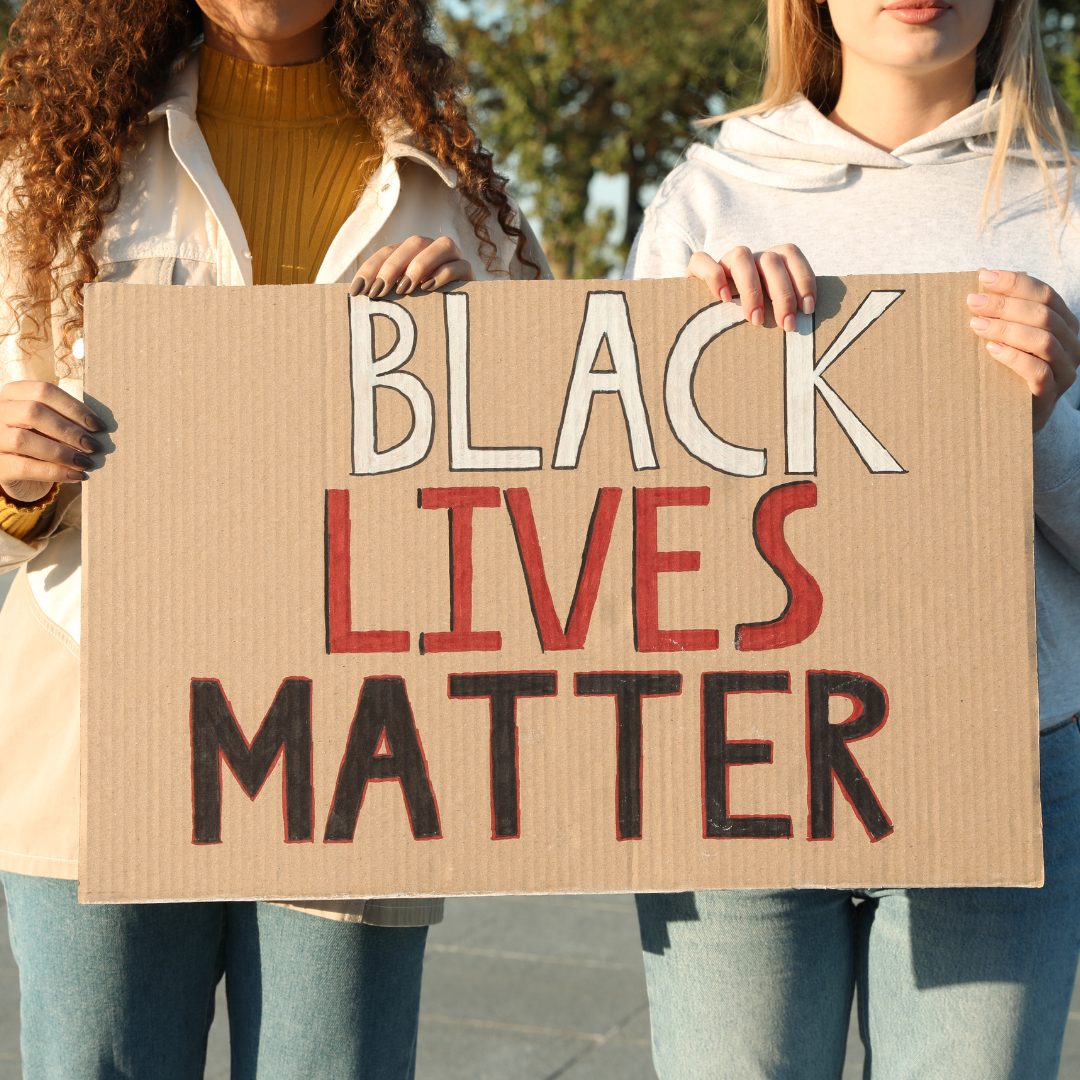
Co-founders of the Black Lives Matter movement, Alicia Garza, Patrisse Cullors, and Opal Tometi, have highlighted the intersection of race and gender injustices. Their work emphasizes the need for a feminist movement that addresses the specific challenges faced by Black women and other marginalized groups, pushing for systemic change across various social justice issues.
The fourth wave of feminism has made significant strides in bringing gender equality issues to the forefront of global consciousness, leveraging digital platforms to challenge sexism, advocating for comprehensive policy changes, and fostering a culture of inclusivity and accountability. This wave’s ongoing impact is evident in the broadening dialogue around gender and the increasing recognition of intersectional challenges, ensuring that the feminist movement remains relevant and responsive to the evolving landscape of women’s rights.
Series Conclusion:
The waves of feminism reflect a continuous ebb and flow, responding to the evolving needs and challenges faced by women throughout history. Each wave builds on the achievements of its predecessors, expanding the scope of the movement and addressing new frontiers of inequality.
As we navigate the challenges of the present, it is essential to recognize the interconnectedness of all four waves, understanding that the fight for equality transcends time and continues to shape our collective future.
In this together,
The Every Woman is Worthy Team


We give back a portion of every purchase to organizations the support marginalized and oppressed women in need. #ElevateWomen
