
A Celebration of Life, Memory, and Self-Worth
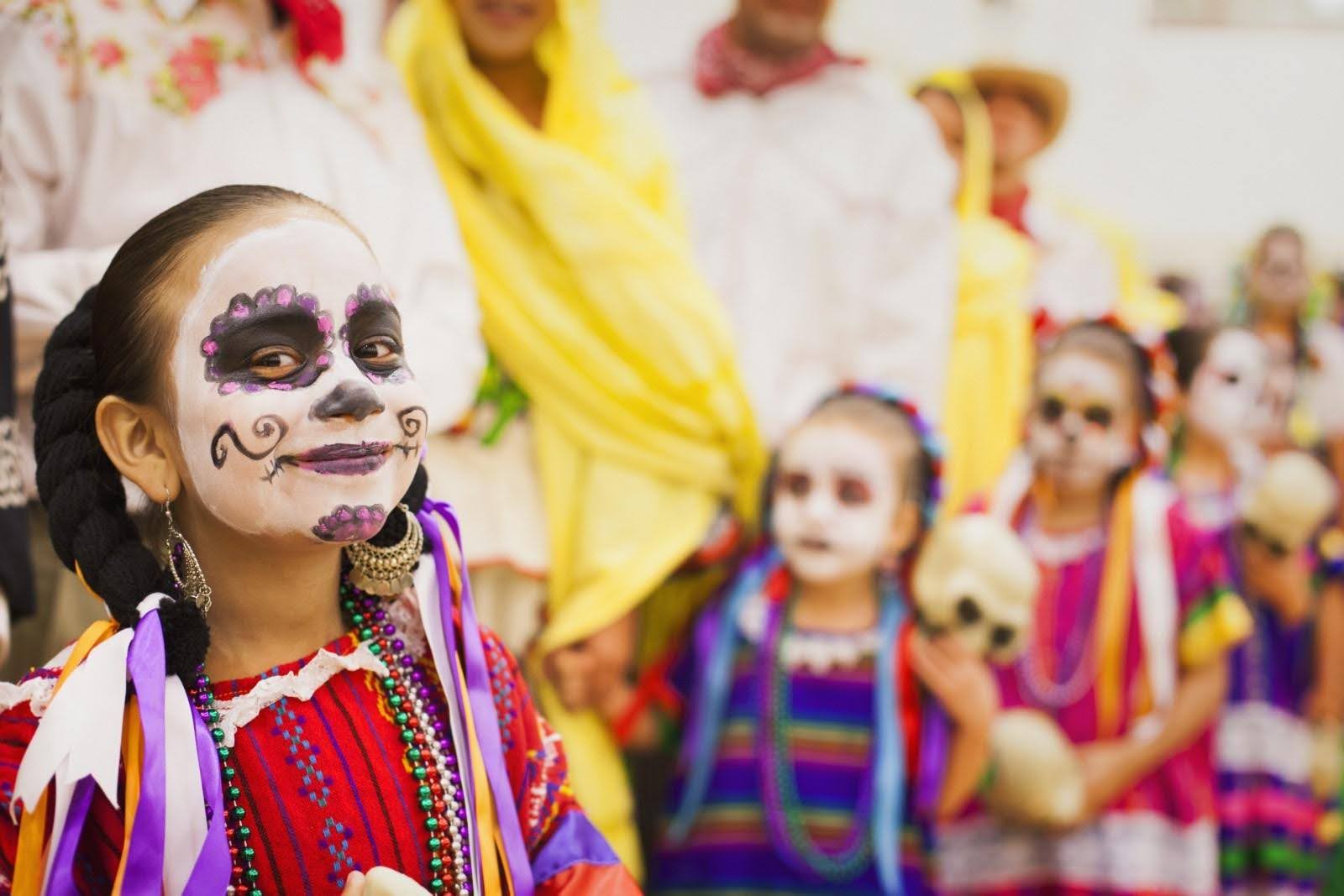
The Day of the Dead, or Día de los Muertos, is a vibrant and deeply spiritual Mexican holiday that honors deceased loved ones while celebrating the enduring power of memory and human worth. Unlike the somber traditions associated with mourning, the Day of the Dead is a joyful celebration of life, serving as a cultural reminder of the value of each person’s legacy. Observed from October 31 to November 2, the holiday’s roots run deep, combining indigenous Mesoamerican beliefs with Catholic traditions introduced by Spanish colonizers. Today, it’s celebrated not only in Mexico but also across the world by communities that resonate with its message of love, memory, and respect for the past.
What Is the Day of the Dead?
The Day of the Dead honors both the recently departed and ancestors from generations past, symbolizing the cyclical nature of life and death. The holiday’s customs are believed to date back thousands of years to Aztec, Toltec, and other pre-Hispanic cultures, which believed that death was a natural phase in life’s journey and that the dead remained alive in the memories of their loved ones. According to tradition, the dead are allowed to return briefly each year to join in festivities and revelry, reconnecting with those they left behind.
In Mexican culture, the dead are honored, remembered, and even celebrated, serving as a testament to the idea that the value of a person’s life does not end with their physical departure. On the Day of the Dead, families set up altars, cook favorite foods of the deceased, and gather in cemeteries for celebrations that include music, storytelling, and communal feasting. This celebration emphasizes that the intrinsic worth of individuals lives on through memory, shared experiences, and enduring love.
How Is the Day of the Dead Celebrated?
Day of the Dead celebrations are rich with symbolism, art, music, and food, each element reinforcing the unique and irreplaceable value of the deceased. Here are some central traditions and symbols:
- Altars and Offerings (Ofrendas):
At the heart of Day of the Dead celebrations are the ofrendas, or altars, set up in homes and cemeteries. These altars are adorned with photos of the deceased, candles, incense, marigold flowers, and a range of offerings meant to nourish and comfort spirits on their journey back to the world of the living. Family members add food items—often favorites of the deceased—along with pan de muerto (bread of the dead), a sweet bread with bone-shaped decorations symbolizing the cycle of life and death. The altar itself is an expression of love, care, and remembrance, reflecting the belief that even after death, the deceased deserve care and honor. For family members, constructing an altar is a way to reconnect with loved ones, acknowledging that their lives held profound meaning and value. - Marigold Flowers:
Known as cempasúchil in Mexico, marigold flowers are a powerful symbol on the Day of the Dead. Their bright orange and yellow petals are believed to help guide spirits back to the living world. Marigolds serve as a bridge, emphasizing the belief that those who have passed remain an essential part of family and community. This gesture acknowledges the worth of each person’s legacy, highlighting that their impact continues long after they are gone. - Sugar Skulls and Skeletons (Calaveras and Calacas):
Decorative sugar skulls and skeletal figurines, known as calaveras and calacas, are iconic symbols of the Day of the Dead. Painted with vibrant colors, intricate designs, and sometimes bearing the names of deceased individuals, these symbols are a playful reminder of mortality and the acceptance of death as part of life. This cheerful approach to death is rooted in the Mesoamerican belief that death is not to be feared but celebrated, allowing each person’s life to be honored joyfully and meaningfully. - Festivities at Cemeteries:
Many families spend time in cemeteries on the Day of the Dead, cleaning and decorating graves, singing, and sharing meals. This ritual is a powerful way to recognize the worth of ancestors and loved ones, reinforcing the idea that their lives are still valued and honored. Communal gatherings at cemeteries emphasize the collective worth of a family’s legacy, tying together generations through shared memory and respect. - Music and Dance:
Music and dance play a significant role in Day of the Dead festivities, embodying the joy that accompanies remembering loved ones. Traditional music, including mariachi bands and folk songs, fill the air, providing a sense of connection between the living and the dead. Dances and performances, such as La Danza de los Viejitos (Dance of the Old Men), add humor and warmth, capturing the holiday’s ethos of remembrance infused with celebration.
How the Day of the Dead Celebrates Worth and Self-Worth
The Day of the Dead is a profound celebration of human worth. By actively remembering the deceased, families are reminded that every person holds intrinsic value, even after their death. Here’s how the holiday celebrates worth and self-worth:
- Honoring the Legacy of Loved Ones:
Setting up an ofrenda and sharing stories of those who have passed are acts of love that acknowledge each person’s significance. This holiday serves as a reminder that the value of a person is not erased by death; instead, their worth lives on through the memories, lessons, and love they leave behind. In this way, Day of the Dead helps participants appreciate the worth of their loved ones, reflecting on how everyone contributes uniquely to their family and community. - Embracing Mortality as a Celebration of Life:
By celebrating death with joy, families underscore that each life is precious and worthy of celebration. Death, in this context, becomes a testament to the importance of living fully and leaving a positive impact on others. Day of the Dead invites individuals to reflect on the significance of their own lives, encouraging them to recognize their self-worth and the legacy they are building. - Fostering a Sense of Belonging and Connection:
Day of the Dead brings families and communities together, uniting them in collective memory and respect. This sense of belonging reinforces the idea that each person is valuable, not only as an individual but as part of a larger community. The holiday encourages self-worth by reminding participants that they are essential parts of their family’s ongoing story. - Reflecting on the Continuity of Memory:
The practice of honoring the dead on Day of the Dead is, in many ways, an exercise in self-worth. By remembering and cherishing loved ones, families communicate the importance of their unique lives and the worth they hold. This approach invites individuals to consider their own lives, the relationships they nurture, and the impact they leave behind.
Learn More: Resources on Day of the Dead and Its Celebration of Life and Worth
- Smithsonian Latino Center – Provides a comprehensive look at the cultural significance and practices of Day of the Dead, offering virtual exhibits and educational resources.
- National Geographic – Inside the Day of the Dead – A visual journey through the rituals and traditions associated with Day of the Dead, highlighting the symbols and their meanings.
- Mexican Folk Art: Day of the Dead Celebrations – This guide delves into the artistry and symbolism of the holiday, providing insights into traditional decorations, altars, and crafts.
- UNESCO Intangible Cultural Heritage – Day of the Dead – Information on why UNESCO recognizes the Day of the Dead as part of humanity’s cultural heritage.
- PBS Learning Media: Day of the Dead – Educational videos, lesson plans, and activities that help explain the holiday’s meaning, origins, and practices.
The Day of the Dead is much more than a holiday—it’s a celebration of life, love, and remembrance that resonates on a universal level. By embracing death with joy, families affirm that each person’s life has unique worth, and their legacy deserves to be honored. In honoring the dead, participants are reminded of the value of life, the importance of family, and the continuity of memory. Through its vibrant colors, beautiful rituals, and joyous celebrations, the Day of the Dead encourages us all to reflect on our own worth and to cherish the bonds that transcend life and death.
In this Together,
The Every Woman is Worthy Team