
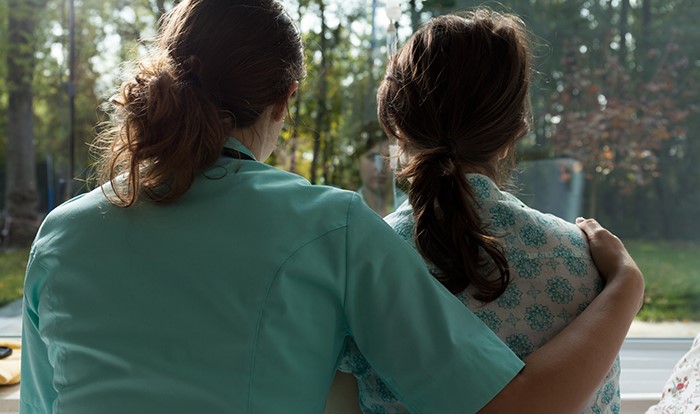
January 11th, National Human Trafficking Awareness Day, is a crucial opportunity to confront one of the most pressing human rights abuses of our time: human trafficking. As we reflect on the millions affected by this crime, we must also bring specific attention to its disproportionate impact on women. Women and girls make up a large percentage of those trafficked, often enduring exploitation that strips them of autonomy, dignity, and self-worth. Recognizing this impact, we must support survivors’ recovery, focusing on empowering them to rebuild their lives and rediscover their intrinsic value. This post dives deep into the dynamics of human trafficking, the unique challenges women face, the resilience of survivors, and the many resources available to help them on their journey to healing.
Understanding the Reality of Human Trafficking and Women’s Vulnerability
Human trafficking is the act of recruiting, harboring, transporting, or obtaining a person by force, fraud, or coercion for labor or sexual exploitation. According to the International Labour Organization, over 50 million people are currently trapped in forced labor, with 71% being women and girls. Women and girls are particularly vulnerable to trafficking for sexual exploitation, forced labor, and domestic servitude. Traffickers often target those in marginalized communities, exploiting vulnerabilities such as poverty, discrimination, and limited access to education and employment.
The nature of human trafficking differs by region, but across the globe, women disproportionately experience trafficking for sexual exploitation. The scope of this exploitation ranges from forced prostitution to online pornography, where traffickers can profit from their exploitation on a massive scale. Additionally, female trafficking victims often lack social support systems, increasing their susceptibility to manipulation by traffickers who may initially present as romantic partners or friends, only to trap them in exploitative situations.
The Emotional and Psychological Toll on Trafficked Women
For trafficked women, the experience is deeply traumatic and damaging to their sense of self-worth. Many survivors report that traffickers use manipulation, threats, physical abuse, and emotional coercion to control them, leading to severe psychological consequences. These women are often deprived of their autonomy and subjected to constant fear and degradation, leading to complex trauma responses that may include:
- Post-Traumatic Stress Disorder (PTSD): Many survivors of trafficking experience PTSD, including flashbacks, nightmares, and severe anxiety.
- Depression: The cycle of exploitation, helplessness, and degradation frequently results in depression, causing survivors to feel trapped even after they escape.
- Feelings of Worthlessness: Being treated as a commodity can strip survivors of their self-esteem and dignity, leaving them to grapple with a diminished sense of worth.
Human trafficking robs women of their autonomy, instills feelings of worthlessness, and can destroy their belief in their own value. Rebuilding self-worth and confidence is often the hardest, yet most crucial, part of recovery.
The Societal Factors Driving Trafficking of Women
1. Gender Inequality and Economic Disparities
Gender inequality and economic disparities are major drivers of trafficking. Women, particularly in impoverished or marginalized communities, often have fewer employment and educational opportunities. In some regions, women face systemic discrimination that limits their economic mobility and forces them into low-paying jobs, making them more susceptible to traffickers’ promises of financial security.
2. War, Conflict, and Natural Disasters
Women in conflict zones or areas affected by natural disasters are at heightened risk of trafficking. In these regions, traffickers exploit women’s vulnerability by offering false promises of safety or work, only to trap them into exploitative situations. Refugee women and girls are particularly vulnerable, with traffickers often posing as humanitarian workers or offering passage to safer areas in exchange for exploitative arrangements.
3. Cultural Norms and Discrimination
Cultural norms in some societies contribute to the trafficking of women by reinforcing gender stereotypes and discrimination. In certain cultures, women may have fewer legal protections or face stigmatization if they try to escape exploitative situations. Additionally, LGBTQ+ women, Indigenous women, and women of color often face layered discrimination, making them particularly vulnerable to trafficking and less likely to receive support when they try to escape.
Declaring Women’s Worth: The Path to Healing and Empowerment
The journey from victim to survivor and, ultimately, to thriver requires a comprehensive approach to healing that addresses both immediate needs and long-term recovery. For women who have survived trafficking, reclaiming their worth means addressing trauma, building life skills, and cultivating resilience. Key elements in supporting survivors include:
Mental Health and Trauma-Informed Care
Mental health support, especially trauma-informed care, is essential for survivors of trafficking. Therapies like cognitive-behavioral therapy (CBT) and eye movement desensitization and reprocessing (EMDR) have shown success in helping survivors process trauma, reduce PTSD symptoms, and rebuild self-worth. Organizations like the Polaris Project and the Coalition to Abolish Slavery and Trafficking (CAST) offer mental health resources and connect survivors with counselors who understand their unique experiences.
Education and Economic Empowerment Programs
Education and economic empowerment programs play a significant role in preventing trafficking and supporting survivors’ recovery. Vocational training, job readiness programs, and scholarships for survivors equip women with skills that reduce their vulnerability to exploitation and open pathways to independence. Programs like Free the Slaves and Refuge for Women focus on providing survivors with tools for economic independence.
Community and Social Support
A supportive community can be life-changing for survivors. Many anti-trafficking organizations establish peer support groups and mentoring programs that allow survivors to connect with others who share similar experiences. In a safe environment, survivors can begin to rebuild trust, learn coping skills, and reinforce each other’s self-worth.
How You Can Support Survivors on National Human Trafficking Awareness Day
Each of us has a role in combating human trafficking. Here are some steps you can take to make a difference:
- Educate Yourself and Others: Understanding the signs of human trafficking is crucial. Recognize that traffickers may appear friendly, offer gifts, or promise work to lure their victims. The more we educate ourselves and others, the harder it becomes for traffickers to operate in our communities.
- Spread Awareness on Social Media: Use social media platforms to share educational content, statistics, and resources related to human trafficking. Raising awareness about this issue helps others understand the scope of the problem and empowers them to take action.
- Support Anti-Trafficking Organizations: Many organizations are doing invaluable work to combat trafficking, and your financial or volunteer support can make a difference. Consider donating to reputable organizations like Polaris, Love146, or Refuge for Women, or even volunteering your time to help with their outreach programs.
- Advocate for Policy Changes: Policies that support survivors and address systemic vulnerabilities are critical. Advocacy organizations like the Coalition Against Trafficking in Women (CATW) work on legislation to improve protections for survivors, increase penalties for traffickers, and support gender equality. Writing to your representatives or joining local advocacy groups can amplify these efforts.
- Report Suspicious Activity: If you suspect someone is being trafficked, it’s essential to report it to the National Human Trafficking Hotline (1-888-373-7888 or text HELP to 233733). Trust your instincts—if something doesn’t feel right, it’s better to report it and be wrong than to ignore it and allow exploitation to continue.
Resources for Survivors and Allies
To further support survivors and raise awareness, here are some of the best resources available:
1. National Human Trafficking Hotline
- Contact: 1-888-373-7888 or text HELP to 233733 (BEFREE)
- Provides 24/7 support, connecting survivors with local services and assistance.
2. Polaris Project
- Website: Polaris Project
- Runs the National Human Trafficking Hotline, offers survivor resources, and advocates for policy change.
3. Coalition Against Trafficking in Women (CATW)
- Website: CATW
- Focuses on eliminating human trafficking by tackling the root causes, especially for women and girls.
4. Refuge for Women
- Website: Refuge for Women
- Offers long-term care and safe housing for survivors, along with job training and therapeutic programs.
5. Love146
- Website: Love146
- Provides educational resources, survivor care, and youth training programs.
6. The Empowerment Collective
- Website: The Empowerment Collective
- Works to empower survivors by offering skills training and support for establishing businesses.
7. CAST (Coalition to Abolish Slavery & Trafficking)
- Website: CAST
- Provides legal and social services for survivors and advocates for policy reforms.
Honoring Survivors’ Strength and Restoring Dignity
National Human Trafficking Awareness Day is a time to shine a light on the harsh reality of trafficking, but it’s also an opportunity to honor the strength of survivors. We must commit to a future where every woman’s worth is recognized, protected, and valued. Together, we can combat human trafficking, empower survivors to reclaim their identities, and ensure that no one is left to suffer in silence. Supporting survivors and advocating for systemic change are critical steps in building a world where women and girls are free to live in dignity, safety, and autonomy.
In this together,
The Every Woman is Worthy Team
Support Marginalized and Oppressed Women
-
 Worthy Era Denim Hat$30.00
 -
 Worthy Era Embroidered Crop Hoodie$47.50
 -
Product on sale
 Modern “Mom” HatOriginal price was: $30.00.$24.00Current price is: $24.00.
 -
 Tough Women Sticker – French NavyPrice range: $4.50 through $5.50
 -
 Tough Women Hardcover Journal$20.00
 -
 Bloom Bubble-Free StickerPrice range: $3.00 through $4.00
 -
 Southern Glossy Mug – Cotton WhitePrice range: $12.00 through $14.00
 -
Product on sale
 Classic Heavy Blend HoodieOriginal price was: $43.00.$39.00Current price is: $39.00.
 -
 Classic Vintage Racerback Tank$24.00