
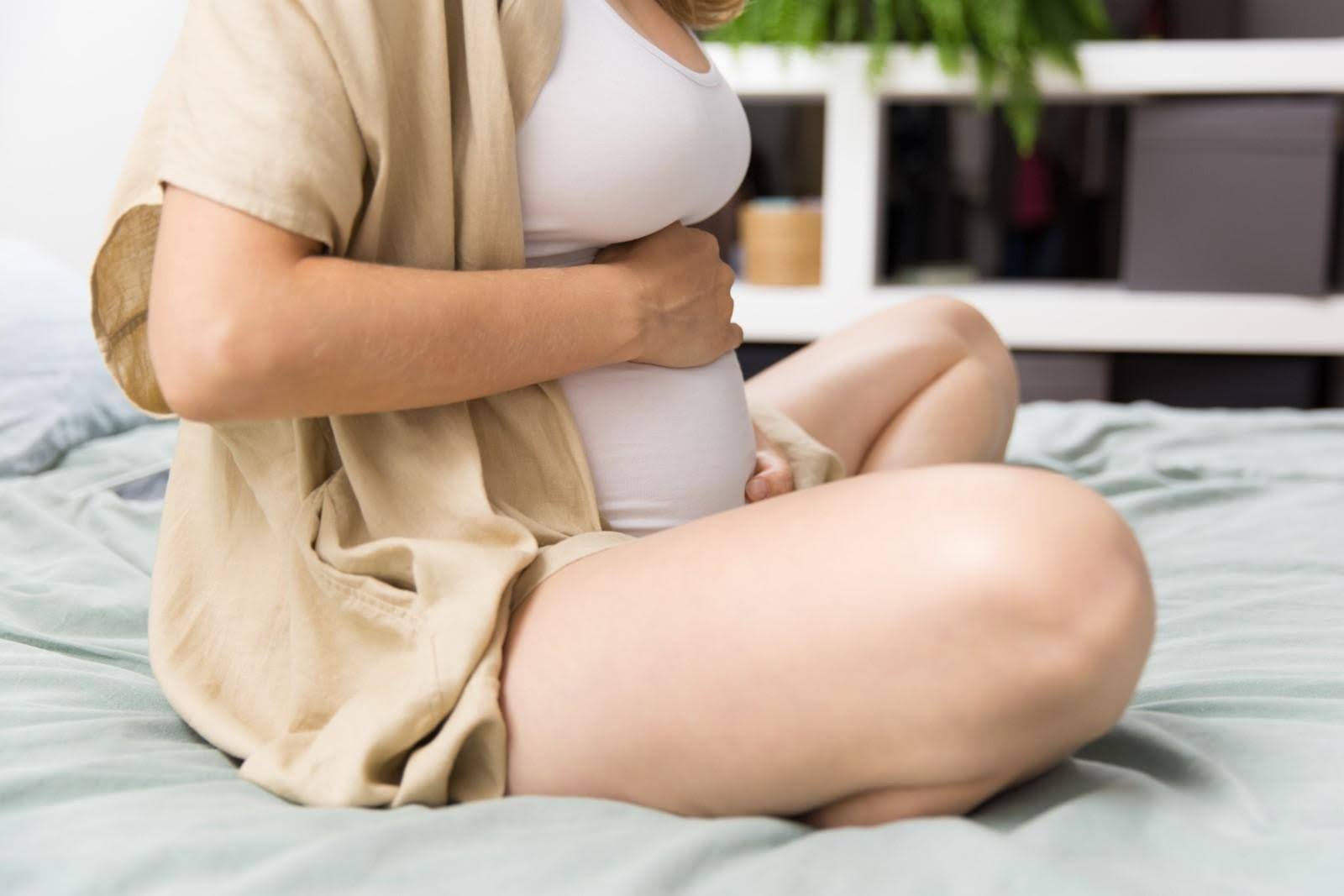

Cesarean deliveries, or C-sections, are among the most common surgeries worldwide, with millions of procedures performed annually. Despite this, misconceptions around C-sections abound, often leading to feelings of guilt or shame for mothers who experience this form of birth. As Cesarean Awareness Month approaches, it’s essential to break down myths, share facts, and highlight personal stories to create a more supportive and understanding environment for all birth experiences.
What Is a C-Section?
A cesarean section is a surgical procedure where a baby is delivered through an incision in the mother’s abdomen and uterus. C-sections can be scheduled in advance or performed as an emergency measure when complications arise during labor. Reasons for a C-section can vary widely, from positioning issues like breech birth, where the baby isn’t positioned head-down, to health conditions such as placenta previa or high blood pressure in the mother. Learn more about C-sections at the Mayo Clinic and the American College of Obstetricians and Gynecologists. Understanding why C-sections are sometimes necessary can alleviate some of the misconceptions and social pressures surrounding them. To start, let’s clarify some common myths.
Debunking Common Myths about C-Sections Myth: C-Sections Are the “Easy Way Out”
This myth has been persistent and harmful, often belittling mothers who undergo cesareans. The reality is that a C-section is major abdominal surgery, carrying significant risks and requiring weeks of recovery. After a C-section, mothers often face more intense pain management, limited mobility, and longer healing times than those who have a vaginal birth. Furthermore, they must care for a newborn while managing these physical challenges. There’s nothing “easy” about it—C-section mothers demonstrate strength, resilience, and love in ways that defy this myth. Learn more about C-section recovery with What to Expect.
Myth: Once a C-Section, Always a C-Section
This myth assumes that once a mother has had a C-section, all subsequent births must be C-sections. While some situations make repeat cesareans advisable, vaginal births after cesareans (VBACs) are possible and safe for many women. Advances in medical technology have made VBACs increasingly common, with most hospitals able to support them as an option. Read more about VBAC from the Internation Cesarean Awareness Network (ICAN).
Myth: C-Sections Are Only Necessary for High-Risk Cases
Although C-sections are sometimes necessary in high-risk situations, many factors can lead to this form of delivery. A mother may have a health condition, like heart disease or diabetes, that complicates vaginal birth. Other times, the baby’s positioning, distress during labor, or a prolonged, stalled labor can necessitate a C-section. The decision often hinges on ensuring the health and safety of both mother and child, not strictly on the presence of a high-risk case. For more information, visit the American Pregnancy Association.
Myth: C-Section Recovery Is Just Like Vaginal Birth Recovery
While both forms of birth require recovery, the experience can differ significantly. C-section recovery typically involves a longer healing time, physical limitations, and an increased need for pain management. Women who undergo C-sections often need several weeks before they feel comfortable moving around freely or lifting heavy objects, while some may require months for full recovery. Comparing the two types of recovery oversimplifies each experience and fails to account for individual differences in health and healing. Read about cesarean recovery tips on Healthline .
Myth: C-Sections Impact Bonding with the Baby
Bonding with a newborn is a deeply personal experience, and while some mothers may face a delay in immediate bonding due to post-surgical recovery, this doesn’t impact their long-term bond. Hospitals and healthcare providers now prioritize practices like skin-to-skin contact immediately after a C-section to support early bonding. Recovery and bonding experiences are unique, but a C-section doesn’t preclude mothers from forming a close, loving relationship with their newborns. Learn more about C-sections and bonding from Lamaze International.
Uncovering the Facts
Alongside myths, it’s important to discuss facts that can provide insight and clarity into why C-sections are sometimes necessary and what they entail.
Fact: C-Sections Can Be Life-Saving
In many situations, a C-section can be a critical, life-saving intervention for both mother and baby. Conditions like uterine rupture, umbilical cord prolapse, or severe placental issues can present immediate threats during a vaginal birth, requiring a rapid, safe response. For these situations, a C-section provides the safest option, protecting the health of both mother and child. Read more about life-saving C-sections from the Cleveland Clinic.
Fact: Recovery Times and Experiences Vary
Every C-section recovery journey is unique. Some women recover more quickly, while others may face complications or extended healing. Recovery involves physical limitations, a need for careful wound care, and often, assistance with daily tasks, especially in the first few weeks postpartum. Mothers need and deserve understanding and support as they navigate this healing process, which is as intense as it is personal. For recovery see La Leche League.
Fact: Scheduled and Emergency C-Sections Differ
Not all C-sections are the same. A scheduled C-section, often planned days or weeks in advance, allows for mental and physical preparation. In contrast, an emergency C-section is unplanned and performed in response to unforeseen complications. The circumstances and preparation for each type of C-section can affect how the mother experiences it and how she approaches recovery. Learn more about scheduled vs emergency C-sections on Parents.
Fact: Mental Health Support Can Be Crucial Post-C-Section
Studies show that women who undergo C-sections, particularly emergency ones, are at higher risk for postpartum depression. The physical demands of recovery, coupled with unexpected birth experiences, can contribute to feelings of isolation, disappointment, or anxiety. Recognizing these mental health challenges, many healthcare providers now recommend support groups or counseling, which can make a positive difference in the postpartum experience. For mental health support, see Postpartum, see Postpartum Support International.
Fact: Personal Choice and Health Are Central to Birth Planning
Whether a mother opts for a scheduled C-section, VBAC, or natural birth, her unique health and preferences should drive the decision. Birth experiences are highly individualized, and what works best for one mother may not be right for another. By respecting each mother’s decision and refraining from judgment, we can foster a more supportive environment that honors all forms of birth. See birth plan checklists from the American College of Nurse-Midwives.
Celebrating Personal Journeys
Beyond the myths and facts, C-sections carry deeply personal stories of resilience, courage, and love. Hearing from mothers who have experienced C-sections allows us to appreciate the diversity and beauty of each birth journey. Here, we share some of these stories:
- ICAN’s Cesarean Stories– The International Cesarean Awareness Network offers personal accounts and community support for mothers who have experienced C-sections.
- The Bump’s Real Mom Stories– Stories from mothers who share diverse birth journeys, including cesarean experiences.
Shifting the Narrative
It’s time to move beyond judgment and embrace a narrative that values all birth experiences. C-sections are just one of many ways that mothers bring new life into the world. By dispelling myths, sharing facts, and listening to personal journeys, we can foster a supportive, empowering environment for mothers everywhere.
This Cesarean Awareness Month, let’s commit to understanding, empathy, and respect for all mothers—whether they bring their babies into the world through a C-section or vaginal birth. Birth is an extraordinary journey, and every mother deserves to feel supported and celebrated.
Useful Sources
Here are some Instagram accounts that provide helpful information, support, and real-life stories for mothers navigating C-sections and the postpartum experience:
Myth-Busting and Educational Accounts
- @americanpregnancyassociation – Shares factual information about pregnancy, including C-sections and postpartum recovery.
- @lamazechildbirth – Provides educational resources on all birth options, including cesarean births and recovery.
- @marchofdimes – Covers topics around pregnancy health, birth planning, and the importance of supportive healthcare.
C-Section and Recovery Support
- @icanbirth (International Cesarean Awareness Network) – Shares real stories, VBAC information, and C-section recovery tips.
- @postpartumstress (Postpartum Support International) – Offers support for mothers navigating postpartum mental health challenges, including C-section recovery.
- @thevbaclink – Focuses on vaginal birth after cesarean (VBAC) stories, educational tips, and community support.
Motherhood and C-Section Community
- @takingcarababies – Provides newborn sleep advice, with compassionate insights for mothers healing from both vaginal and cesarean births.
- @mommy.labornurse – A labor and delivery nurse who shares honest information about labor, birth plans, and C-section experiences.
- @thebirthhour – A podcast that shares diverse birth stories, including many from mothers who have had C-sections.
Personal C-Section and Recovery Stories
- @expectful – Provides guided meditations and emotional support for all stages of motherhood, including C-section recovery.
- @mother.ly – Shares a wide range of personal birth stories, recovery tips, and empowering messages for mothers.
These accounts not only provide valuable information and resources but also foster community and support through shared experiences, which can be immensely reassuring for mothers navigating C-section journeys.
In this Together,
The Every Woman is Worthy Team