
In religious institutions, women have long played a pivotal yet often overlooked role. From the early Christian communities to diverse faith organizations today, women have been the backbone, sustaining and nurturing their communities with unwavering devotion. However, their journey to leadership roles within religious hierarchies has been fraught with historical obstacles and setbacks, reflecting broader societal norms. Today, as we navigate a rapidly changing world, the imperative for women’s leadership in the Christian church and diverse faith organizations has never been more evident.
Historical Obstacles
Throughout history, women in religious institutions have faced systemic barriers to leadership roles. In Christianity, traditional interpretations of scripture have been used to justify the exclusion of women from leadership positions. For example, some have pointed to passages like 1 Timothy 2:12, which states, “I do not permit a woman to teach or to assume authority over a man,” as grounds for restricting women’s leadership roles within the church.
Similarly, in other faith traditions, patriarchal interpretations of sacred texts have marginalized women, relegating them to subordinate roles. This patriarchal structure not only limits women’s opportunities for leadership but also perpetuates gender inequality within religious communities.
Setbacks Based on Current Events
Despite strides made in recent years towards gender equality in various sectors, including religion, setbacks persist. Recent events within the Christian church, such as controversies surrounding the ordination of women in some denominations, highlight the ongoing resistance to women’s leadership.
Furthermore, issues such as the persistence of gender-based violence and discrimination within religious communities underscore the urgent need for change. According to a report by the World Health Organization (WHO), globally, 1 in 3 women experience physical or sexual violence, with religious settings often serving as both a refuge and a perpetuator of such violence. Addressing these challenges requires a shift towards more inclusive and egalitarian leadership structures within religious institutions.
Positive Influences of Women’s Leadership
The inclusion of women in leadership positions within religious institutions brings about numerous benefits, both for the institutions themselves and the broader communities they serve.
1. Diverse Perspectives
Women leaders offer unique perspectives shaped by their lived experiences, contributing to more holistic decision-making within religious institutions. Research published in the Harvard Business Review suggests that diverse leadership teams are more innovative and better equipped to address complex challenges. By including women in leadership roles, religious organizations can tap into a broader range of insights and approaches to tackle issues facing their communities.
2. Empowerment of Women
When women hold positions of leadership within religious institutions, it sends a powerful message of empowerment to women and girls within those communities. Seeing women in leadership roles challenges traditional gender norms and inspires other women to pursue leadership positions in various spheres of life. This empowerment has ripple effects, leading to greater gender equality and social progress within religious communities and beyond.
3. Enhanced Community Engagement
Women leaders often possess strong relational skills and empathy, facilitating deeper connections with members of the community. This enhanced community engagement fosters a sense of belonging and inclusivity, making religious institutions more welcoming spaces for all individuals, regardless of gender. As a result, communities are strengthened, and relationships are forged across diverse demographics.
4. Ethical Leadership
Studies have shown that women tend to exhibit more ethical leadership traits, such as honesty, integrity, and compassion. In a world where trust in institutions is increasingly eroding, the ethical leadership of women within religious organizations can help restore faith and credibility. By upholding principles of justice and equality, women leaders contribute to the moral fabric of their religious communities, serving as role models for ethical conduct.
Live Discussion about Fearless Leadership with Pastor Kelsey
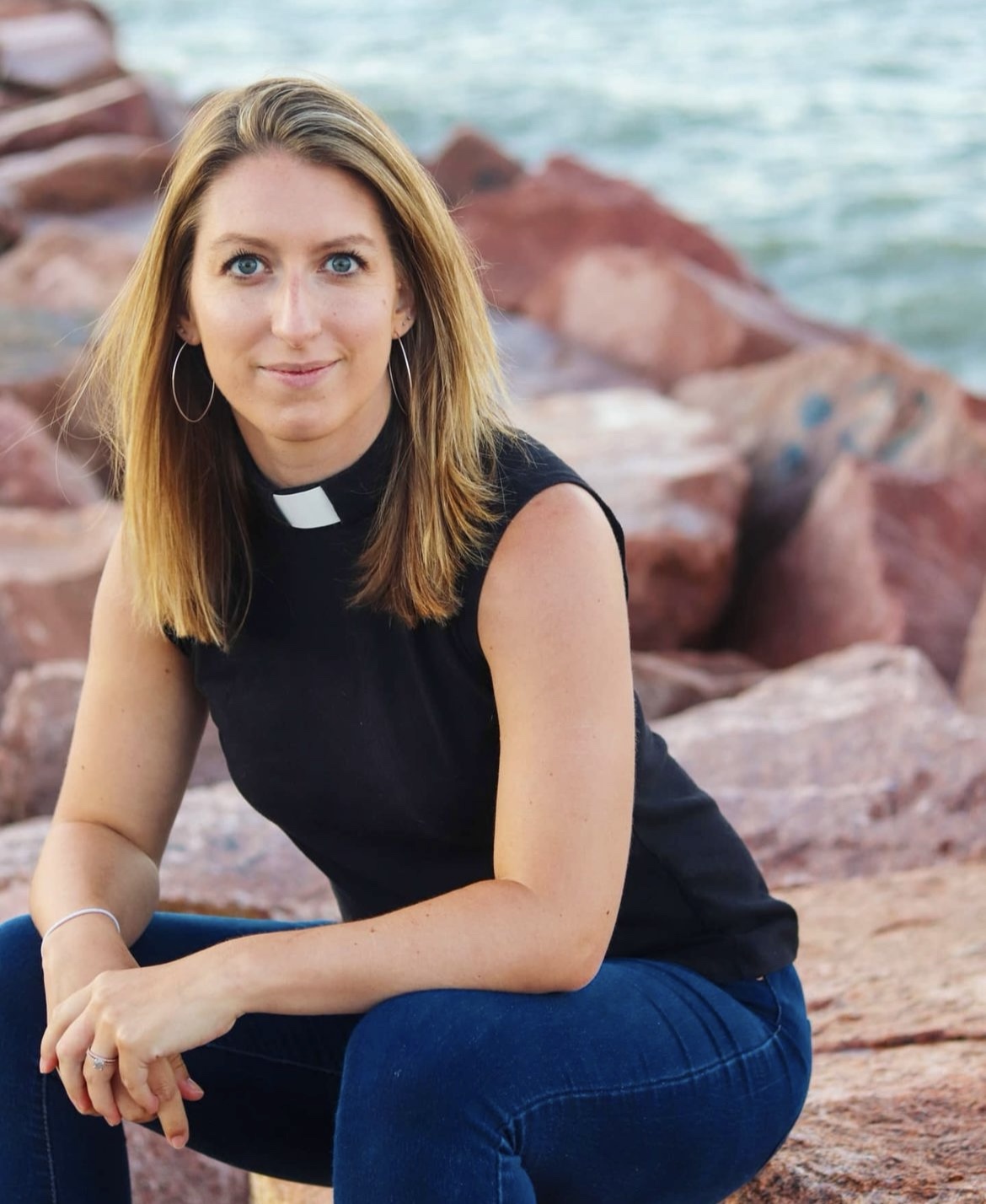
Pastor Kelsey blessed us with her presence and perspective on a recent Instagram live about the obstacles she has personally faced in her experiences as an ordained leader in the Christian faith. Pastor Kelsey leads Dancing Pastor Ministries and hosts the Lady Preacher Podcast where she disrupts the traditional, patriarchal views of who should lead in faith and how. Her inclusive and affirming theology and voice are healing for people of diverse backgrounds, including from a variety of faiths. We invite you to listen to *the* Lady Preacher herself below:
You can also find Pastor Kelsey on Instagram here.
Conclusion:
The importance of women’s leadership in the Christian church and diverse faith organizations cannot be overstated. Despite historical obstacles and ongoing challenges, the inclusion of women in leadership roles is essential for the vitality and relevance of religious institutions in the modern world. By embracing diversity, empowering women, and fostering inclusive leadership structures, religious organizations can fulfill their mission of promoting love, justice, and compassion in a rapidly changing society.
As we strive for a more equitable future, let us recognize and celebrate the invaluable contributions of women leaders within religious institutions, paving the way for a world where all individuals, regardless of gender, can fully participate and thrive.
In essence, women’s leadership isn’t just a matter of representation; it’s a transformative force that enriches religious communities and strengthens their capacity to address the pressing issues of our time.
In this with you,
The Every Woman is Worthy Team
-
 Thrive Fleece Sweatpants$45.00
 -
 The Rise Hoodie – Organic$58.00
 -
 The Evolve Hoodie$45.00
 -
 Everest Cuffed Beanie$30.00
 -
 Origin Pom Beanie$30.00
 -
 Crop It Like It’s Hot Hoodie$49.00