
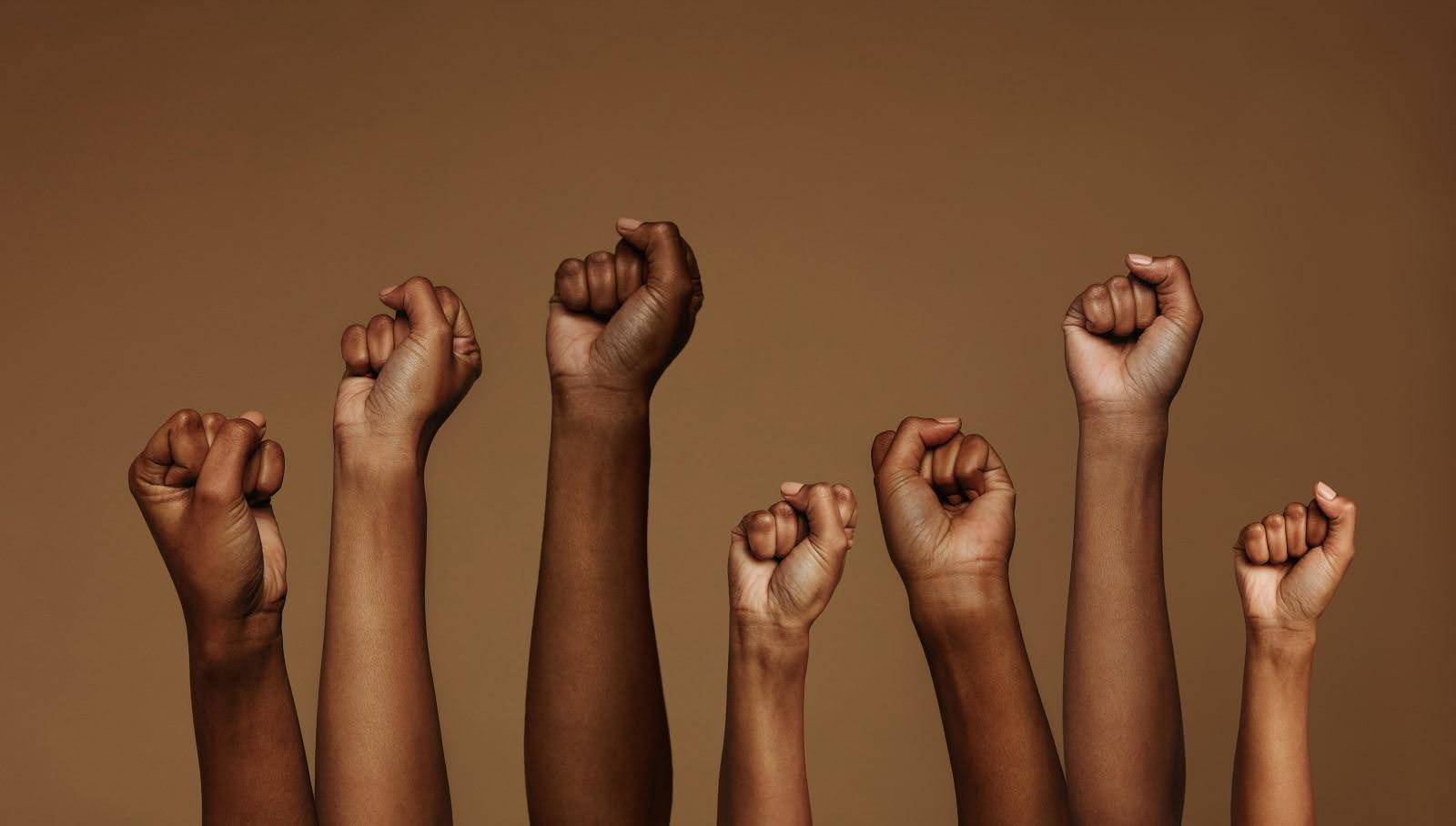
Juneteenth, celebrated annually on June 19th, marks the day in 1865 when Union soldiers, led by General Gordon Granger, arrived in Galveston, Texas, and announced that the enslaved were free. This was more than two years after President Abraham Lincoln signed the Emancipation Proclamation. The day has since come to symbolize the ongoing journey of African Americans toward freedom, equality, and justice.
While Juneteenth celebrates the liberation of all enslaved people, Black women have always been at the forefront of this journey. Their contributions—spanning activism, education, culture, and leadership—continue to inspire and inform the ongoing fight for equity. This blog post delves into the invaluable lessons we can learn from their resilience, creativity, and unwavering commitment to justice.
The Unyielding Resilience of Black Women
The path to freedom was arduous, and Black women endured unimaginable hardships under slavery. Yet, they resisted in ways both overt and subtle, demonstrating extraordinary resilience and ingenuity. Harriet Tubman is perhaps the most well-known example of courage and determination. Born into slavery, Tubman escaped and then risked her life repeatedly to lead others to freedom via the Underground Railroad. Her work freed over 70 individuals, earning her the nickname “Moses.” Tubman’s life was a testament to her belief that freedom was not just a personal right but a collective responsibility.
However, acts of resistance were not limited to leaders like Tubman. Enslaved women found countless ways to subvert the oppressive systems that bound them. Many preserved African cultural practices, ensuring that traditions, songs, and stories survived to nurture the identities of future generations. Others taught forbidden literacy skills, enabling the enslaved to access the written word as a tool for empowerment.
In their daily lives, enslaved women protected their families with unyielding strength, often enduring brutal punishment to shield their loved ones. Some used subtle forms of defiance, such as sabotaging tools or slowing the pace of their labor, to assert their agency.
These acts of quiet rebellion were foundational to the cultural resilience and survival of Black communities. They demonstrate how Black women consistently fought to assert their humanity, even under the most dehumanizing circumstances. This unyielding resilience laid the groundwork for future generations to not only survive but also thrive, offering an enduring example of strength in the face of unimaginable adversity.
Today, the legacy of these women’s resistance lives on. Their strength continues to inspire modern movements for justice, reminding us of the power inherent in the everyday acts of courage and determination that shaped history.
Resources to Learn More:
- Bound for the Promised Land: Harriet Tubman, Portrait of an American Hero by Kate Clifford Larson. Smithsonian National Museum of African American History & Culture exhibits on enslavement and resistance.
Education as a Catalyst for Change
The period following emancipation was marked by a hunger for knowledge, particularly among Black women. They recognized education as a pathway to empowerment, not just for themselves but for their communities.
Mary McLeod Bethune, a daughter of formerly enslaved parents, became a trailblazer in education. She founded the Daytona Normal and Industrial Institute for Negro Girls in 1904, which later became Bethune-Cookman University. Her dedication to education was rooted in the belief that knowledge was a transformative force that could uplift entire communities.
Additionally, organizations like the National Association of Colored Women’s Clubs (NACWC) emphasized the importance of education and community development. Leaders such as Mary Church Terrell advocated for equal educational opportunities, illustrating the enduring legacy of Black women as change-makers.
Resources to Learn More:
- Mary McLeod Bethune: Building a Better World, Essays and Selected Documents edited by Audrey Thomas McCluskey and Elaine M. Smith. National Association of Colored Women’s Clubs archives.
Black Women and the Civil Rights Movement
The legacy of Juneteenth extends into the 20th century and beyond, as Black women have remained at the heart of movements for civil rights and social justice. Their activism reflects the continued pursuit of the freedoms Juneteenth symbolizes.
Ida B. Wells was a pioneering journalist and anti-lynching activist who used her voice to expose racial violence and demand justice. Her investigative work is a reminder of the power of truth-telling and the necessity of holding systems accountable.
Fannie Lou Hamer, a leader in the civil rights movement, exemplified perseverance. Despite enduring brutal physical violence, she became a powerful advocate for voting rights, famously declaring, “I’m sick and tired of being sick and tired.”
Resources to Learn More:
- Ida: A Sword Among Lions by Paula J. Giddings.
- This Little Light of Mine: The Life of Fannie Lou Hamer by Kay Mills.
Cultural Preservation Through Creativity
Juneteenth is not only about liberation from physical enslavement but also about celebrating the rich cultural heritage that Black communities have cultivated despite systemic oppression. Black women have played an essential role in preserving and advancing this culture.
Authors like Zora Neale Hurston and Toni Morrison have used literature to explore themes of freedom, identity, and resilience. Hurston’s Their Eyes Were Watching God and Morrison’s Beloved are profound explorations of the Black experience, offering insight into the struggles and triumphs of Black womanhood.
Visual artists like Faith Ringgold have also contributed to this cultural preservation. Her story quilts blend art and narrative, celebrating African American history and resilience.
Resources to Learn More:
- Their Eyes Were Watching God by Zora Neale Hurston.
- Faith Ringgold’s art collections, available through the National Museum of Women in the Arts.
Modern-Day Leadership
Today, the legacy of Juneteenth is carried forward by Black women leaders who continue to fight for equality and justice. From political activism to grassroots organizing, their efforts remind us of the enduring relevance of Juneteenth’s lessons.
Shirley Chisholm, the first Black woman elected to Congress, broke barriers in a time when women of color faced enormous obstacles in politics. Her motto, “Unbought and Unbossed,” reflects her fierce independence and commitment to justice.
Stacey Abrams, a modern-day trailblazer, has built on this legacy through her work to combat voter suppression and empower marginalized communities. Her organization, Fair Fight Action, has played a pivotal role in promoting voter education and expanding access to the ballot box.
Resources to Learn More:
- Unbought and Unbossed by Shirley Chisholm.
- Visit Fair Fight Action
How to Support Black Women Today
The lessons of Juneteenth compel us to ask how we can support Black women in their continued fight for equality. Here are actionable steps:
- Amplify Voices: Share and support the work of Black women authors, artists, and activists.
- Support Black-Owned Businesses: Choose brands like Fenty Beauty, Hanifa, or other Black-owned enterprises.
- Donate: Contribute to organizations like Black Women’s Blueprint or The Loveland Foundation, which focus on racial and gender justice.
- Advocate for Policy Change: Support policies that address systemic inequities in healthcare, education, and employment.
Resources for Engagement:
Juneteenth’s Enduring Legacy
Juneteenth is more than a celebration of freedom; it is a call to remember that the fight for justice and equality is far from over. It serves as a powerful reminder of the resilience, strength, and determination of the Black community, particularly the women who have been at the forefront of this struggle for centuries. Black women have not only demonstrated extraordinary leadership but have also played critical roles as educators, artists, activists, and innovators, shaping history in ways that inspire and guide us today.
As we celebrate Juneteenth, we honor the often-overlooked contributions of Black women who have broken barriers, challenged systemic injustices, and demanded change. From Harriet Tubman’s heroic journeys to freedom, to the intellectual brilliance of women like Mary McLeod Bethune, and the bold activism of Ida B. Wells, their stories teach us invaluable lessons about courage and perseverance. They remind us that freedom is not just an isolated moment in history but a continuous movement—one that requires each of us to remain vigilant, engaged, and proactive.
Celebrating Juneteenth is also about taking actionable steps to support Black women today. This means amplifying their voices, championing their causes, and acknowledging their leadership in the ongoing struggle for equality. Whether through financial support of Black-led organizations, advocating for policies that address racial and gender inequities, or simply committing to learning from their legacies, we can honor their efforts in meaningful ways.
By carrying forward the principles embodied in Juneteenth—freedom, empowerment, and justice—we contribute to a world where the contributions of Black women are recognized, valued, and celebrated every day. Their sacrifices and triumphs remind us of the collective responsibility to ensure that the promise of Juneteenth becomes a lived reality for all. In doing so, we not only pay tribute to the past but also build a more equitable future, fulfilling the true spirit of Juneteenth.
In this Together,
The Every Woman is Worthy Team