
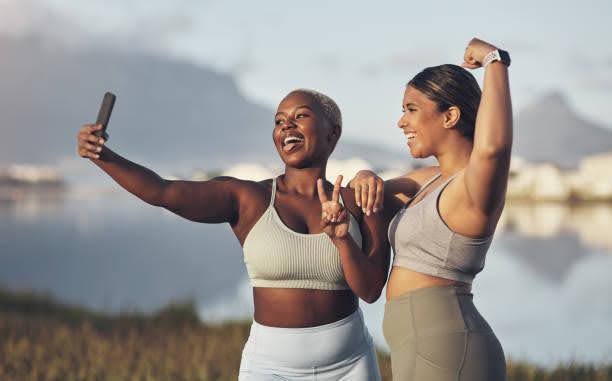
In a world where beauty standards are often dictated by social media, advertising, and entertainment, it’s easy to lose sight of the inherent worth of our bodies. The pressure to look a certain way can affect our self-esteem, mental health, and overall sense of well-being. For women in particular, these expectations can be overwhelming, leading to struggles with body image, eating disorders, and a variety of mental health challenges. However, body positivity has emerged as a powerful movement that seeks to redefine beauty standards, encouraging individuals to love and appreciate their bodies regardless of size, shape, color, or appearance.
In September, National Cellulite Day offers a timely reminder of the importance of embracing our bodies as they are, flaws and all. This day, dedicated to celebrating cellulite and challenging the beauty norms that often associate it with imperfection, is a small but significant step toward changing the narrative around what is considered “beautiful.” It also serves as a reminder that body positivity is not just a trend but a necessary shift in how we view ourselves and others.
Why is Body Positivity so Important?
At its core, body positivity is the belief that all bodies are worthy of love and respect, no matter their shape, size, color, or appearance. It challenges the societal pressures that promote a narrow definition of beauty and encourages individuals to appreciate their bodies for what they are and what they do, rather than focusing solely on external appearance.
The importance of body positivity cannot be overstated, especially when considering how pervasive beauty ideals are in our culture. These ideals are often unrealistic and unattainable, and they can lead to feelings of inadequacy, shame, and self-loathing for those who don’t meet them. For women, in particular, body image issues are closely linked to self-worth, mental health, and overall happiness.
Adopting a body-positive mindset is essential because:
- It Promotes Mental Health: When we accept our bodies, we reduce the constant stress and anxiety that comes from trying to conform to external beauty standards. This can alleviate feelings of shame, self-doubt, and depression.
- It Encourages Self-Love and Self-Acceptance: Body positivity helps individuals develop a healthier relationship with themselves. It encourages self-compassion and allows for a deeper connection to our inner worth, regardless of how we look on the outside.
- It Fosters Inclusivity: Body positivity is not just about individual body acceptance; it’s also about creating a culture that embraces all bodies, especially those that are often marginalized or excluded from mainstream beauty standards, such as larger bodies, non-white bodies, and disabled bodies.
- It Reshapes Beauty Standards: As more women—and men—embrace body positivity, they challenge the traditional standards of beauty that have been perpetuated by the media, fashion, and beauty industries. This cultural shift opens the door to a more diverse and inclusive understanding of beauty.
The Struggles Women Face with Body Image
Despite the growing body positivity movement, many women still face significant challenges when it comes to their relationship with their bodies. These challenges are often deeply rooted in societal pressures and can have lasting impacts on mental and physical health.
1. Body Dysmorphia
Body dysmorphic disorder (BDD) is a mental health condition where an individual becomes obsessively preoccupied with perceived flaws or defects in their appearance, which may be minor or nonexistent. Women with BDD may experience intense feelings of shame, anxiety, and distress about how they look, leading to compulsive behaviors such as excessive grooming, checking mirrors, or avoiding social situations.
While body dysmorphia can affect anyone, studies show that it is particularly prevalent among women and can lead to severe emotional and psychological distress. It is important for individuals struggling with BDD to seek professional help, as the disorder can have a significant impact on daily life, relationships, and overall well-being.
2. Eating Disorders
Eating disorders, including anorexia nervosa, bulimia nervosa, and binge eating disorder, are often linked to poor body image and a desire to conform to societal beauty standards. Women are more likely than men to develop eating disorders, and these conditions can have life-threatening consequences if left untreated.
In addition to the physical health risks, eating disorders are often accompanied by feelings of shame, guilt, and anxiety. For women who struggle with disordered eating, it’s important to recognize that healing involves more than just changing eating habits—it requires addressing the underlying psychological issues that contribute to the disorder, such as self-worth and body image.
3. Postpartum Body Struggles
The postpartum period is an incredibly challenging time for many women, both physically and emotionally. After giving birth, women often experience significant changes in their bodies—weight gain, stretch marks, and changes in breast size and shape. These changes can lead to feelings of insecurity, as new mothers may feel pressure to “bounce back” to their pre-pregnancy bodies.
However, the reality is that women’s bodies are incredibly resilient, and the changes they undergo during pregnancy and postpartum are a natural and beautiful part of life. Accepting these changes and embracing postpartum bodies is an essential part of the body positivity movement, as it empowers women to honor their bodies for the incredible work they’ve done in bringing life into the world.
Learning to Love Your Body: Finding Self-Worth Beyond Appearance
Learning to love your body is a journey that requires time, self-compassion, and a shift in mindset. It’s about recognizing that your worth is not defined by how you look but by who you are as a person—your talents, your kindness, your resilience, and your character. Here are some strategies that can help women cultivate a more positive and loving relationship with their bodies:
1. Challenge Negative Self-Talk
Our internal dialogue plays a significant role in shaping our body image. Negative self-talk, such as “I’m not good enough,” “I’m too fat,” or “I don’t look like the women in magazines,” can be incredibly damaging. Start by recognizing these thoughts as they arise and consciously challenge them. Replace them with affirmations that celebrate your body and your strengths. For example, instead of saying, “I hate my thighs,” try saying, “I appreciate my body for being strong and capable.” Over time, this shift in mindset can help improve body image.
2. Surround Yourself with Positive Influences
The media, social media, and even our personal circles can significantly influence how we feel about our bodies. Follow social media accounts, read books, and watch content that promotes body positivity and celebrates diverse beauty standards. Surrounding yourself with positive influences can help you internalize healthier views of beauty and shift away from harmful ideals.
3. Practice Mindfulness and Gratitude
Mindfulness practices can help you connect with your body in a deeper way. Taking time to appreciate your body for what it does—whether it’s walking, hugging loved ones, or creating life—can help shift your focus from appearance to function. Practice gratitude for the unique features of your body, rather than focusing on what you perceive as flaws.
4. Seek Professional Support
If you’re struggling with body image issues, eating disorders, or mental health challenges like body dysmorphia, seeking help from a therapist or counselor can be incredibly beneficial. Therapy can help you address underlying issues related to self-worth and provide tools to cope with negative body image. Body-positive therapy focuses on healing the emotional and psychological wounds that contribute to unhealthy body image.
5. Move Your Body Daily
While embracing body positivity is about accepting and loving our bodies for what they are, it’s also important to recognize that health—both mental and physical—should be a priority for everyone, regardless of size, shape, or appearance. Engaging in regular exercise can be an empowering way to care for our bodies, not for the sake of fitting into an idealized standard, but for enhancing our strength, mobility, and overall well-being. Exercise promotes mental health by reducing stress, boosting mood, and improving self-esteem. It’s about nurturing a body that feels good and works well for you, whether through walking, yoga, dancing, strength training, or simply being more active in daily life.
The key is not to exercise as a means of punishment or to “change” your body to meet an external expectation, but rather to engage in movement that makes you feel strong, energized, and capable. Health is holistic—it’s about treating your body with kindness, fueling it with good nutrition, and moving it in ways that bring joy and vitality. Prioritizing a healthy body creates a foundation of self-respect and is an integral part of the body positivity journey, showing us that health isn’t one-size-fits-all, and it looks different for each person.
Help for Women Embrace Body Positivity
There are countless resources available to help women develop a more positive relationship with their bodies. From books to podcasts to Instagram accounts, these tools provide support, inspiration, and guidance as you embark on your body positivity journey.
Books
- “The Body Is Not an Apology: The Power of Radical Self-Love” by Sonya Renee Taylor
- “Body Positive Power: Because Life Is Already Happening and You Don’t Need Flat Abs to Live It” by Megan Jayne Crabbe
- “Health at Every Size: The Surprising Truth About Your Weight” by Linda Bacon
- “More Than a Body: Your Body Is an Instrument, Not an Ornament” by Lexie and Lindsay Kite
Podcasts
- “The Body Image Podcast” – Hosted by the Kite Sisters, this podcast offers insights into body image, self-love, and the body positivity movement.
- “Love, Curvy, Confidence” – A podcast focusing on body positivity, self-love, and embracing your curves.
- “The Mindful Kind” – This podcast covers mindfulness techniques that can help shift negative body image and foster self-compassion.
Instagram Accounts to Follow
- @thebodypositive – A leading body positivity account that shares inspiring stories, affirmations, and tips.
- @i_weigh – Founded by Jameela Jamil, this account celebrates body diversity and encourages women to value themselves beyond their weight or appearance.
- @meganjaynecrabble –Megan Jayne Crabbe, an advocate for self-love and body acceptance. This account promotes the idea that beauty is not a one-size-fits-all concept. Megan shares her personal journey, empowering messages, and practical advice on how to embrace and appreciate your body in all its forms.
Movies and Documentaries
- “Embrace” (2016) – A documentary about body image and the societal pressures women face to conform to unrealistic beauty standards.
- “The Beauty Myth” (2020) – A documentary examining the harmful effects of beauty standards on women’s mental health and self-worth.
- “Miss Representation” (2011) – This documentary explores how the media portrays women and its impact on self-esteem and body image.
Songs
- “Try” by Colbie Caillat – A song about embracing yourself just as you are, without needing to fit anyone else’s idea of beauty.
- “Confident” by Demi Lovato – A song that celebrates confidence and self-empowerment, encouraging women to embrace their uniqueness.
- “Scars to Your Beautiful” by Alessia Cara – A powerful anthem about embracing one’s scars, flaws, and imperfections.
Conclusion
The journey to body positivity is not always easy, but it is a path worth taking. Embracing your body and learning to love it as it is can have a profound impact on your mental health, self-worth, and overall happiness. It’s time to stop letting societal beauty standards define us and start recognizing our inherent value. As we celebrate National Cellulite Day and other holidays that honor our bodies in all their forms, let’s continue to empower ourselves and each other to embrace our true beauty.
Remember, every body is worthy —yours included.
In this Together,
The Every Woman is Worthy Team