
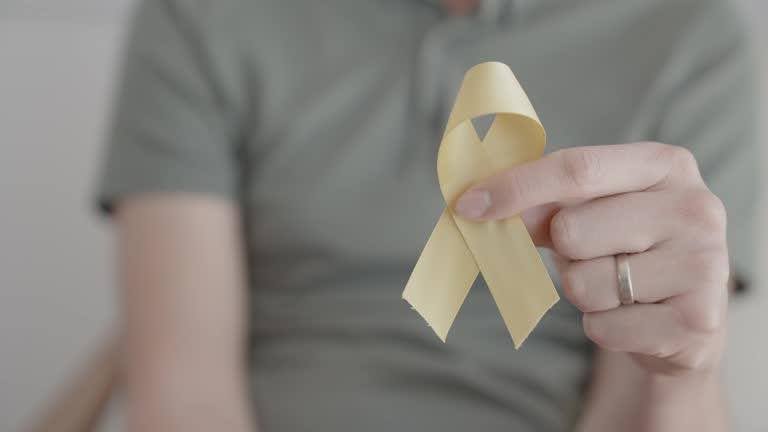

March is Endometriosis Awareness Month, a time to bring attention to a condition that affects approximately 1 in 10 women and individuals assigned female at birth worldwide. Despite its prevalence, endometriosis is often misunderstood, underdiagnosed, and surrounded by stigma. For those living with it, the condition can be life-altering, impacting physical health, emotional well-being, and quality of life.
In this blog post, we’ll explore what endometriosis is, its symptoms, and its impact, while providing resources for support, advocacy, and education.
What Is Endometriosis?
Endometriosis occurs when tissue similar to the lining of the uterus (called the endometrium) grows outside the uterus, in places it’s not supposed to be. This tissue can attach to the ovaries, fallopian tubes, the outer surface of the uterus, or even the bladder and intestines. Like the uterine lining, this tissue responds to hormonal changes and bleeds during the menstrual cycle—but because it’s outside the uterus, the blood has nowhere to go. This can lead to inflammation, scarring, and severe pain.
Symptoms of Endometriosis
Endometriosis symptoms can vary widely from person to person, making diagnosis challenging. Some people experience debilitating pain, while others may have no symptoms at all. Common signs of endometriosis include:
- Chronic Pelvic Pain: Pain that persists before, during, or after menstruation.
- Pain During Intercourse: Many with endometriosis report discomfort or pain during or after sex.
- Painful Periods: Intense cramps that don’t respond to standard pain relief.
- Infertility: Endometriosis can affect fertility and is sometimes diagnosed during investigations into infertility.
- Digestive Problems: Symptoms like bloating, diarrhea, or constipation, especially during menstruation.
- Fatigue and Chronic Illness: Persistent pain and hormonal changes can lead to exhaustion and difficulty managing daily tasks.
The Challenges of Diagnosis
Despite its prevalence, endometriosis can take 7-10 years on average to diagnose. This delay often results from:
- Normalizing Pain: Many people are told that severe menstrual pain is “just part of being a woman.”
- Lack of Awareness: Not all healthcare providers are trained to recognize the symptoms of endometriosis.
- Limited Testing: Endometriosis cannot be detected through standard imaging tests like ultrasounds; diagnosis often requires laparoscopic surgery.
Living with Endometriosis
Endometriosis can have far-reaching effects on a person’s life, including:
- Physical Health: Persistent pain and complications like cysts or organ damage.
- Emotional Well-being: Chronic pain can lead to anxiety, depression, and feelings of isolation.
- Relationships and Social Life: The condition may affect intimacy, friendships, and career aspirations.
Misconceptions About Endometriosis
Despite increased awareness, many misconceptions about endometriosis persist. Here are some of the most common myths—and the truth behind them:
1. “Severe period pain is normal.”
Fact: While some discomfort during menstruation is common, severe pain that interferes with daily life is not normal. It could be a sign of endometriosis or another condition.
2. “Pregnancy cures endometriosis.”
Fact: While pregnancy may temporarily relieve symptoms for some, it does not cure endometriosis. The condition often returns after childbirth.
3. “Hysterectomy is the only solution.”
Fact: A hysterectomy (removal of the uterus) is not a guaranteed cure for endometriosis, as the disease involves tissue outside the uterus. Treatment should be individualized.
4. “Endometriosis always causes infertility.”
Fact: While endometriosis can impact fertility, many people with the condition are able to conceive naturally or with medical assistance.
5. “It’s all in your head.”Fact: Endometriosis is a real, physical condition with significant impacts on physical and emotional health. Dismissing symptoms as psychological contributes to delayed diagnoses.
How to Support Someone with Endometriosis
If someone you know is living with endometriosis, here are ways you can support them:
- Listen and Validate: Believe them when they describe their symptoms and struggles.
- Be Patient: Understand that their energy levels and plans may change unexpectedly.
- Learn About Endometriosis: Educate yourself to offer informed and empathetic support.
- Encourage Medical Advocacy: Help them find specialists who can provide better care if needed.
Resources for Endometriosis Awareness and Support
If you or someone you know is affected by endometriosis, these organizations and resources can provide education, support, and advocacy:
- Endometriosis Foundation of America (EndoFound):
www.endofound.org
Offers information on endometriosis research, education, and advocacy, along with support for patients and caregivers. - Endometriosis Association:
www.endometriosisassn.org
A nonprofit organization offering support groups, educational materials, and advocacy for better treatments and awareness. - Center for Endometriosis Care (CEC):
www.centerforendo.com
Provides expert care for endometriosis and resources to help individuals understand their condition and treatment options. - Nancy’s Nook Endometriosis Education:
www.nancysnookendo.com
A Facebook group and website offering extensive resources for patients and families. - Pelvic Pain Support Network (PPSN):
www.pelvicpain.org.uk
A UK-based organization providing information and support for those with pelvic pain, including endometriosis.
Advocating for Awareness
Endometriosis Awareness Month is an opportunity to raise the volume on conversations about this condition. Here’s how you can help:
- Share Stories: If you feel comfortable, share your experience with endometriosis to help others understand its impact.
- Use Social Media: Share facts, personal insights, or resources with hashtags like #EndometriosisAwareness or #EndoWarrior.
- Support Research: Donate to organizations funding endometriosis research and advocacy efforts.
- Educate Others: Talk about endometriosis with friends, family, and coworkers to help dispel myths and misconceptions.
A Message to Those Affected
If you’re living with endometriosis, know this: your pain is real, your voice matters, and you’re not alone. While there may be no cure yet, treatments and communities exist to help you manage symptoms and find support. Your journey may be challenging, but awareness and advocacy are paving the way for a future with better care and understanding.
Together, we can bring endometriosis out of the shadows and ensure that no one has to suffer in silence.
“Pain is not normal. Awareness is the first step to change.”
In this together,
The Every Woman is Worthy Team