
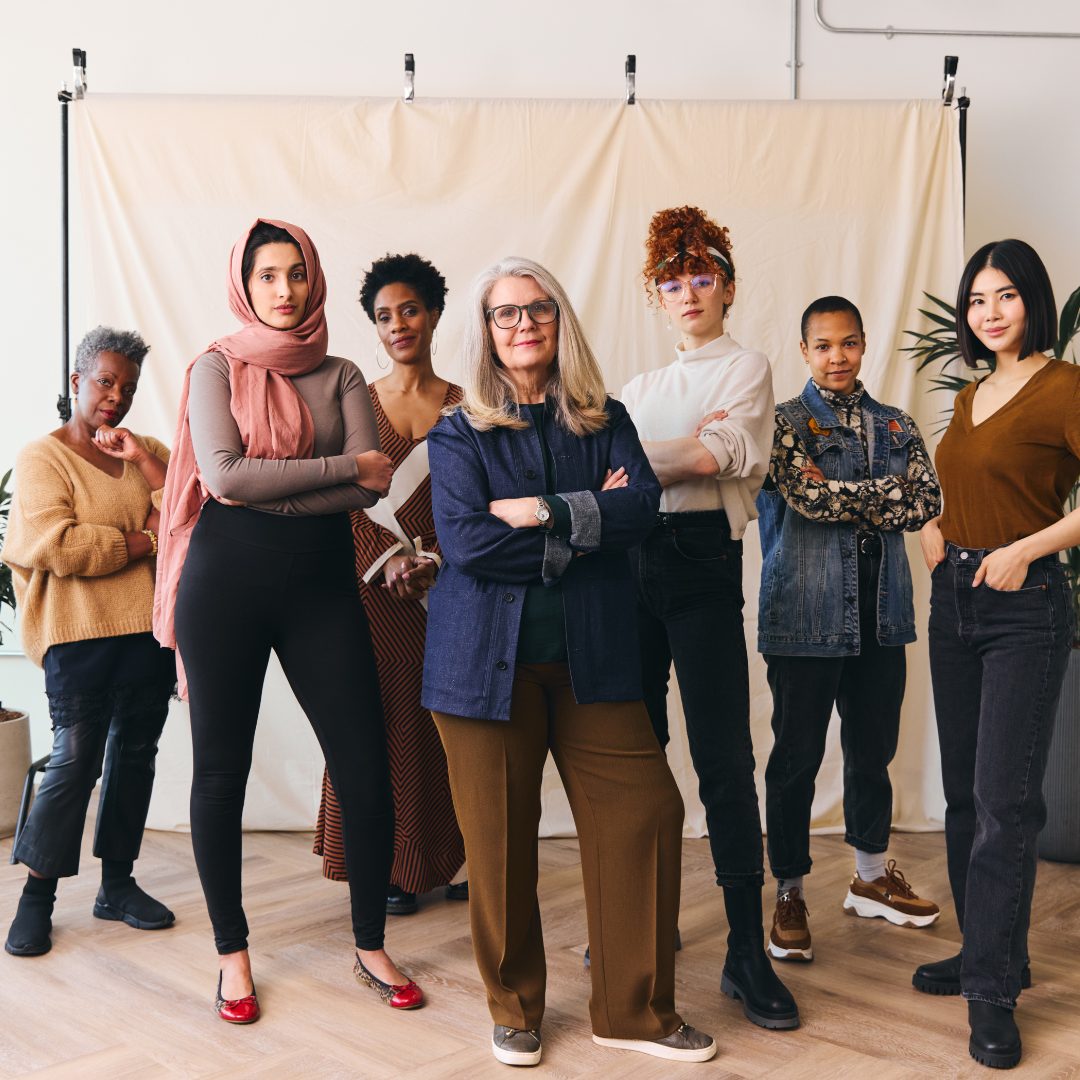
Feminism, at its core, is a movement for gender equality. However, as we embark on the journey towards a more inclusive and equitable society, it becomes imperative to recognize and address the intersectionality of women’s experiences. This blog post delves into the concept of intersectional and inclusive feminism, exploring how it broadens the scope of the movement and fosters a more comprehensive understanding of the struggles and triumphs of all women.
Understanding Intersectionality:
Intersectionality, a term coined by Kimberlé Crenshaw, acknowledges that people’s identities and experiences are shaped by the intersection of various social categories, such as race, gender, class, sexuality, and more. Applying this framework to feminism means recognizing that women’s experiences are diverse and interconnected, and the movement should address the unique challenges faced by women with intersecting identities.
- Intersectionality in Action: Inclusive feminism goes beyond the one-size-fits-all approach and recognizes that women are not a homogenous group. It acknowledges that a woman’s experience is shaped by factors such as race, ethnicity, sexual orientation, ability, religion, and socio-economic status, to name a few. Embracing intersectionality means amplifying the voices of those who have been historically marginalized within the feminist movement.
- Challenging Stereotypes: Inclusive feminism challenges stereotypes and preconceived notions about what a feminist looks like or what issues the movement should address. It dismantles the idea that feminism is solely a concern for a particular group of women and highlights the shared goal of dismantling oppressive structures that affect all women, regardless of their background.
- Global Solidarity: An inclusive feminist perspective extends beyond national borders, recognizing that women around the world face unique challenges shaped by their cultural contexts. Building global solidarity means acknowledging and supporting the struggles of women in different societies while being mindful of cultural differences.
- Policy Advocacy: Inclusive feminism requires not only addressing individual experiences but also advocating for policy changes that benefit all women. This includes fighting for legislation that addresses economic inequality, reproductive safety and dignity, healthcare access, and anti-discrimination laws that protect women with intersecting identities.
- Intersectionality in Media and Representation: Inclusive feminism also calls for a reevaluation of media representation. It advocates for diverse portrayals of women in media, breaking away from narrow stereotypes and showcasing the multifaceted experiences of women with different identities.
Conclusion:
Self-worth and feminism are intrinsically interwoven, each nurturing and reinforcing the other. As self-worth grows, individuals are inspired to advocate not only for their personal rights but also for the collective upliftment of all, creating a virtuous cycle of empowerment and equality.
As we navigate the complexities of the 21st century, it is essential for feminism to evolve into a movement that is not only about gender equality but also about inclusivity, understanding, and solidarity. Embracing intersectionality ensures that feminism remains relevant and effective, breaking down barriers and fostering a world where the empowerment of all women is at the forefront. Let us celebrate our differences, amplify diverse voices, and collectively work towards a future where equality knows no bounds.
In this with you,
The Every Woman is Worthy Team
Bold & Beautiful Embroidery
-
 Thrive Fleece Sweatpants$45.00
 -
 The Rise Hoodie – Organic$58.00
 -
 The Evolve Hoodie$45.00
 -
 Everest Cuffed Beanie$30.00
 -
 Origin Pom Beanie$30.00
 -
 Crop It Like It’s Hot Hoodie$49.00
 -
 For All Logo Hat$40.00
 -
 Blackout Signature Hat$40.00
 -
 Whiteout Signature Hat$40.00